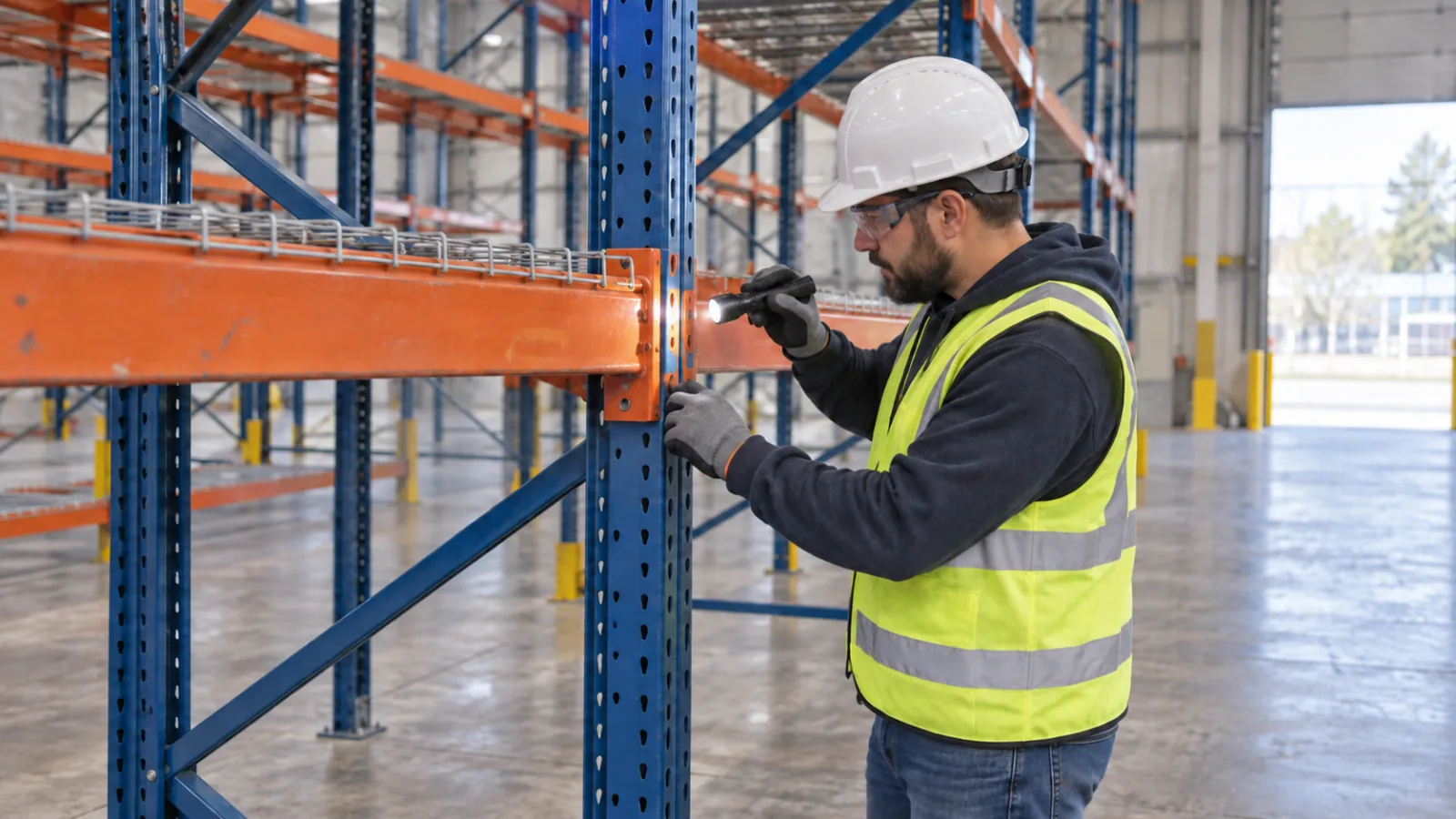
If you’re considering used pallet racking, one question usually comes before every other one: is it actually safe? The short answer is yes, used pallet racking is safe when you know what to look for and buy from a supplier who inspects and grades it properly. The longer answer is worth understanding before you commit.
Is Used Pallet Racking Actually Safe?
Used pallet racking is widely used across warehouses, distribution centers, and manufacturing facilities, and for good reason. In most cases, it’s the exact same material as new racking: structural steel, engineered and rated the same way, and built for long-term use. The real difference between used and new racking isn’t capability, it’s condition. A used system that’s been properly maintained and inspected performs the same as a new one. A damaged or misrepresented system doesn’t, and that’s true whether it’s sold as used or new.
What Actually Makes Used Racking Unsafe
Not all used racking is equal, and problems almost always come down to damage or misuse rather than age itself. Watch for bent uprights, twisted or bowed beams, cracked welds, missing safety pins, and rust that has progressed far enough to affect structural integrity. Any of these reduce load capacity and create real safety risk, regardless of how good the racking looks from a distance.
How to Inspect Used Pallet Racking Before You Buy
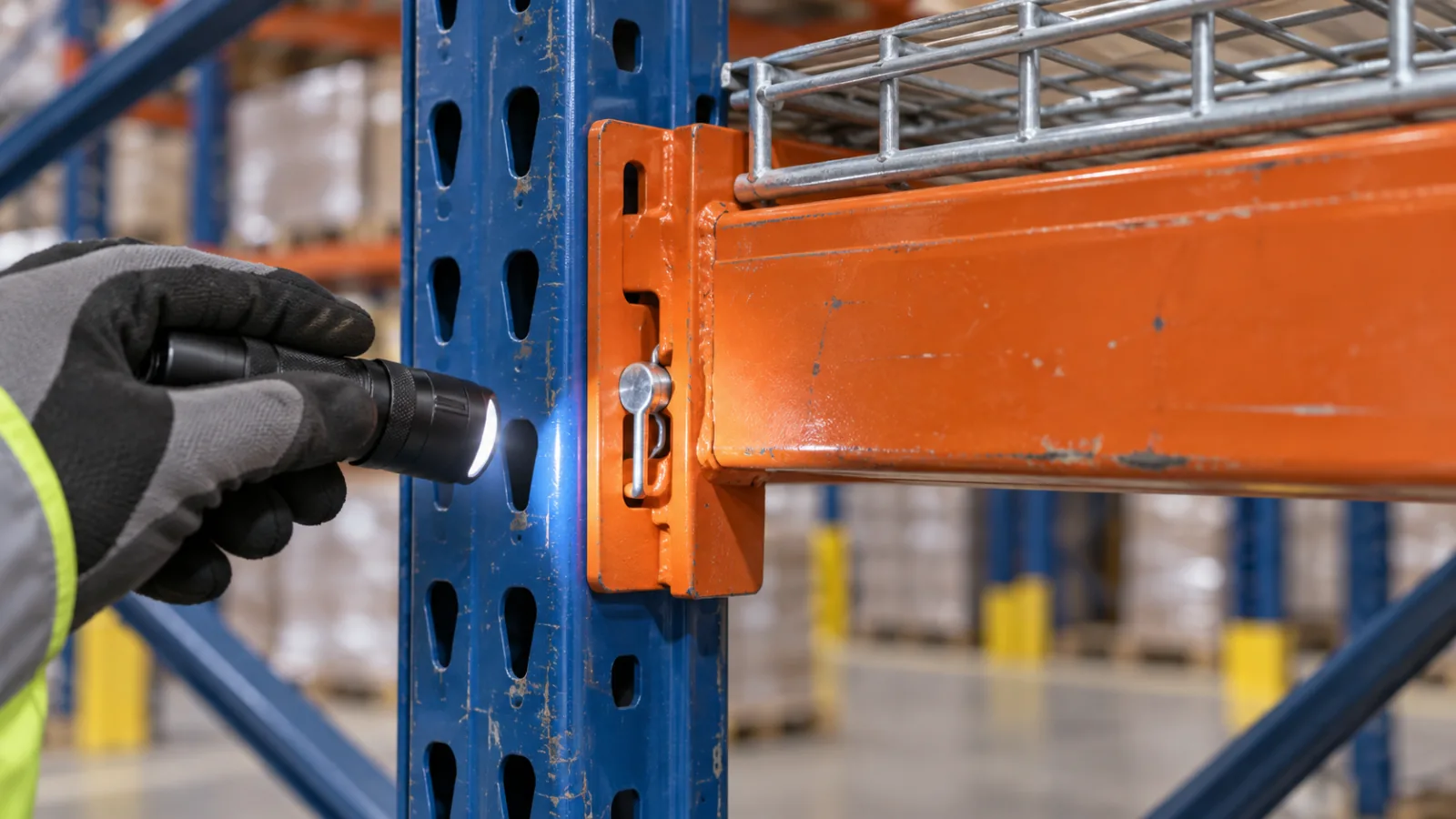
A few minutes of inspection can save you from a serious problem later. Check uprights for dents near the base, bends along the frame, and intact footplates. Check beams to confirm they’re straight, free of excessive rust or damage, and that both ends lock properly into the frame. Check connections to make sure safety clips or pins are present and that no connectors are loose or damaged. For a full walkthrough of what to look for section by section, see our detailed guide on how to inspect used pallet racking before you buy.
Does Used Racking Hold the Same Weight as New?
In most cases, yes, as long as it’s undamaged, properly installed, and used within its actual rating. Capacity isn’t a fixed number that applies to all used racking; it depends on the specific beam length, upright configuration, and condition of that particular system. A reputable supplier should be able to provide documented load ratings for what you’re buying, not a rough estimate. Damaged components reduce capacity regardless of what the system was originally rated for, and mixing components from different manufacturers can create capacity and stability issues even when every individual piece looks fine.
Why Businesses Choose Used Pallet Racking
Used racking is popular for practical reasons: it typically costs less than new, it’s often available faster since it doesn’t require manufacturing lead time, and it delivers the same functionality in the vast majority of cases. For many warehouses, it’s simply the better balance of cost and performance, especially for standard configurations. If you’re weighing the decision directly, our breakdown of used pallet racking vs. new: what each actually costs walks through the numbers in more detail, our guide on new vs. used pallet shelving: how to decide covers the fuller decision framework, and what determines the price of used pallet racking breaks down why quotes vary.
Common Mistakes to Avoid
Most safety issues with used racking trace back to a handful of avoidable mistakes: buying without inspecting condition first, mixing incompatible components from different manufacturers, loading beyond rated capacity, and skipping proper anchoring during installation. The racking itself is rarely the problem. Improper setup and unverified condition almost always are.
Should You Buy Used or New?
Used pallet racking is a strong option if you want to save money, need inventory quickly, or are building a standard warehouse configuration. New racking may make more sense if you need a very specific, non-standard configuration, want a uniform appearance across a large installation, or are working on a large-scale project where consistency matters more than upfront savings.
How to Make Sure You’re Buying Safe Racking
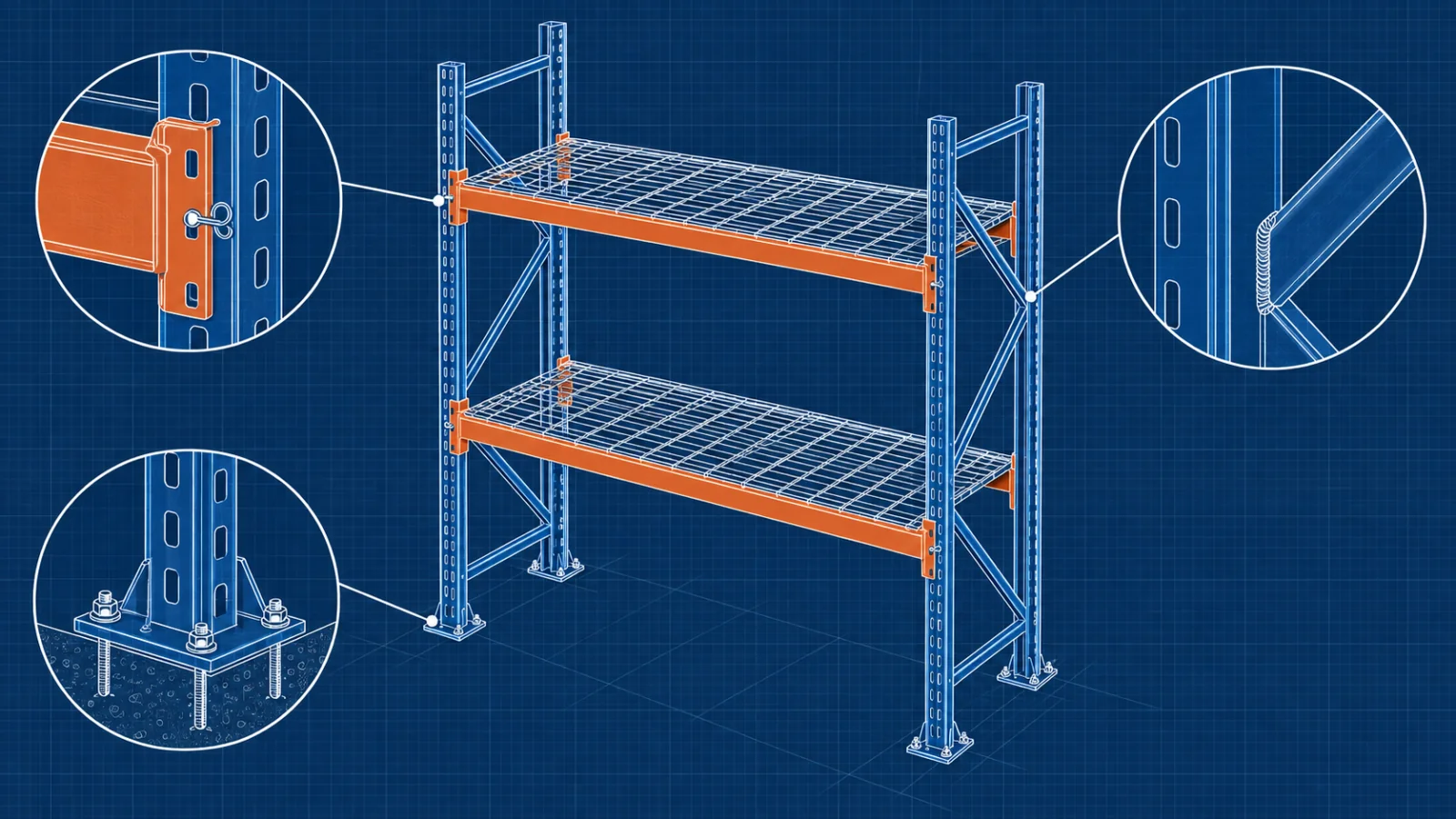
Work with a supplier who inspects and grades their used inventory rather than reselling it as-is. Ask directly about inspection standards and documented load ratings. Stick to standard sizes where possible, avoid heavily damaged inventory even at a discount, and make sure it’s installed correctly once it arrives. Installation matters as much as the racking itself: even a fully sound system becomes unsafe if it’s anchored incorrectly or assembled without following manufacturer specifications.
Reliable Used Pallet Racking, Inspected and Ready
Rocky Mountain Warehouse Solutions sources, inspects, and installs used pallet racking for businesses across the Mountain West. We grade our inventory before it ever reaches your warehouse, and our ANSI/RMI certified team handles installation to make sure it performs the way it’s rated to.
Get a free warehouse layout consultation or contact our team to find safe, inspected used racking for your warehouse.
Frequently Asked Questions
Is used pallet racking as safe as new racking? Yes, when it’s undamaged, properly inspected, and installed correctly. The material and engineering are the same; the difference comes down to condition, which is why inspection before purchase matters so much.
What should I check before buying used pallet racking? Inspect uprights for dents and bends, beams for straightness and rust, and connections for intact safety clips and pins. Buy from a supplier who can document the inspection and load rating rather than selling it as-is.
Does used pallet racking hold less weight than new racking? Not inherently. An undamaged used system holds the same rated load as new racking of the same specification. Damage, not age, is what reduces capacity.
What’s the biggest safety risk with used pallet racking? Buying without inspecting it first is the most common risk, followed by mixing components from different manufacturers and skipping proper anchoring during installation. The racking itself is rarely the actual problem.