Important note before you read further: the ranges in this guide are general, illustrative industry figures meant to help you understand how pallet racking capacity works. They are not a substitute for a manufacturer’s documented load rating, and no rack should ever be loaded based on figures from this article alone. Always confirm the certified capacity of your specific system, in its specific configuration, before loading it.
If you are buying pallet racking, understanding weight capacity is one of the most important parts of the process. Choosing the wrong beam size or configuration can lead to safety issues, damaged inventory, or a system that needs to be replaced sooner than expected. This guide breaks down what actually determines pallet racking weight capacity by beam size, so you know what questions to ask before you buy.
What Determines Pallet Racking Weight Capacity?
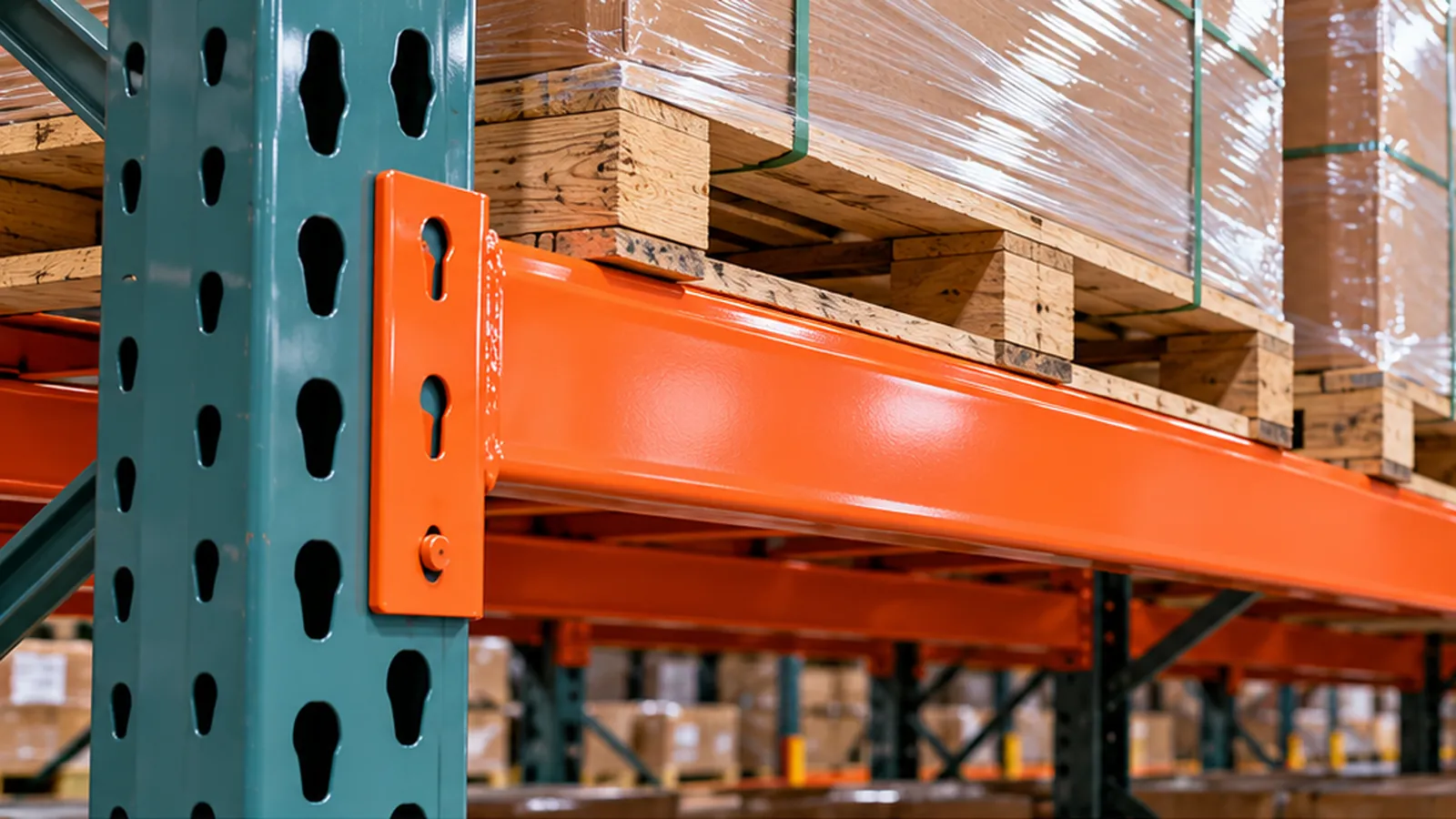
Capacity is not just about the beam. It is a combination of several factors working together:
- Beam length (commonly 8 ft, 12 ft, and other standard lengths)
- Beam face height (typically 3 to 6 inches)
- Steel gauge and construction
- Upright frame capacity
- Beam spacing and the number of levels
- Load distribution across the beam
Beam size tends to get the most attention because it is the most visible factor, but a system is only as strong as its weakest component.
Typical Beam Capacity Ranges (Illustrative Only)
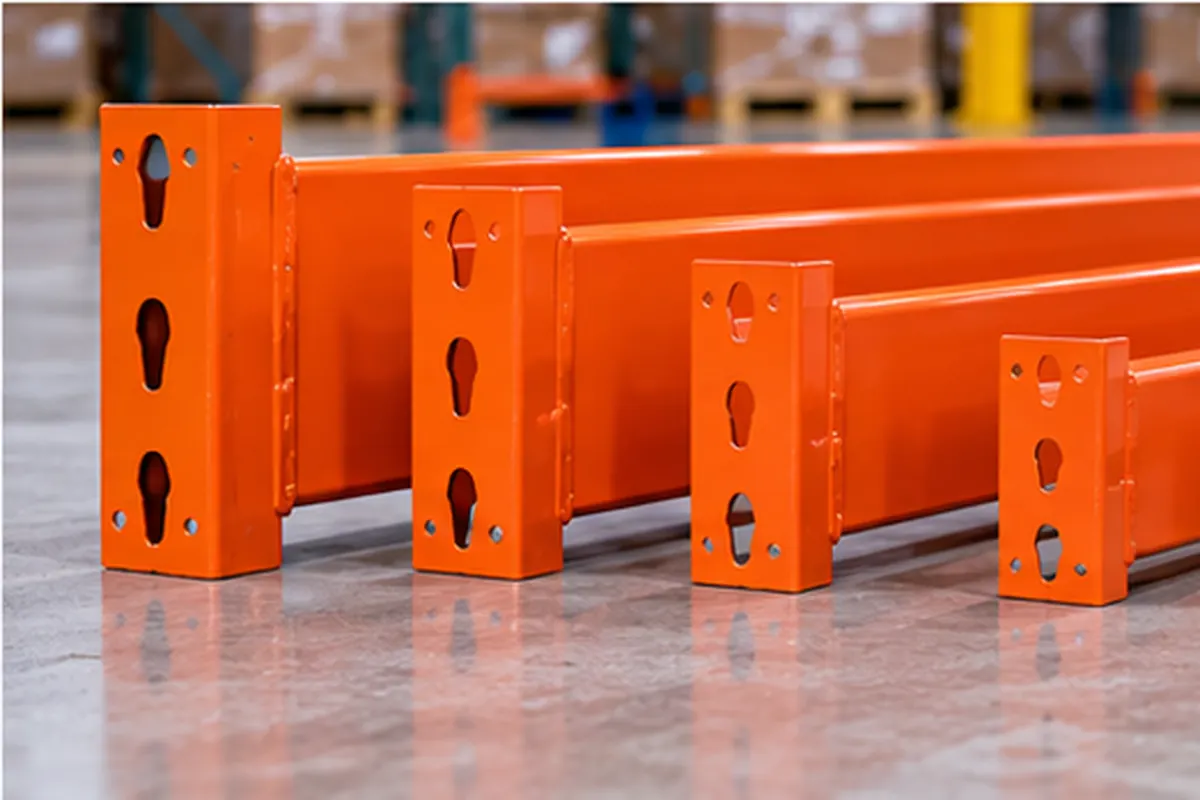
The figures below are general industry ballpark ranges for standard teardrop-style pallet racking beams. They vary by manufacturer, steel gauge, and condition, and they are provided here only to illustrate how beam length and face height relate to capacity, not as specifications for any particular product.
8 ft beams: roughly 3,500 to 5,500 lbs per level is a common illustrative range, with the exact figure depending on face height and gauge.
12 ft beams: roughly 3,000 to 5,500 lbs per level is a common illustrative range, again depending heavily on face height and gauge.
These numbers exist only to show the general relationship between beam length, face height, and capacity. The only number that matters for your warehouse is the certified capacity listed on your rack manufacturer’s load tag or engineering documentation.
Why Beam Length Affects Capacity
Longer beams flex more under load, which generally lowers their weight capacity compared to a shorter beam of the same thickness. This is why longer beams typically require a taller face height to carry a comparable load. If you are storing heavier pallets, shorter bays can meaningfully increase both capacity and safety margin, though the tradeoff is fewer pallet positions per bay.
Uprights Set the Ceiling on Your System
Even a well-rated beam cannot exceed the capacity of the upright frames supporting it. Taller, deeper uprights generally support more total load, but every system has a rated column and frame capacity that should never be exceeded, regardless of what the beams alone are rated for.
Even Load Distribution Matters as Much as the Rating
Published capacity ratings assume weight is evenly distributed across the beam, pallets are centered, and there is no concentrated point loading. Common mistakes that reduce real-world capacity below the rated figure include stacking heavier pallets on one side of a bay, using damaged or bent beams, and mixing incompatible beam types on the same level.
Does Wire Decking Add Capacity?
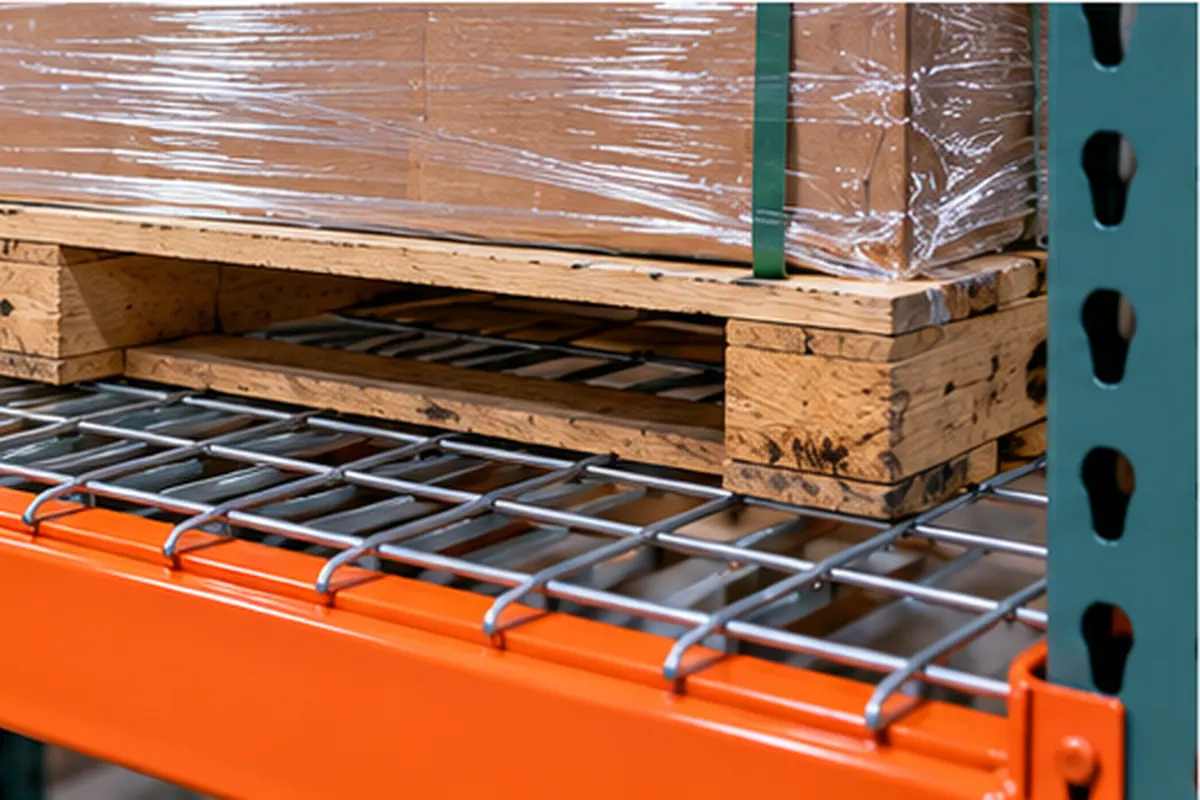
Wire decking does not increase a beam’s rated capacity, but it helps distribute weight more evenly across the beam, reduces the risk of pallet damage, and improves overall safety and code compliance. For most warehouses storing mixed inventory, it is a worthwhile addition even though it will not change your system’s underlying capacity rating. Our safety and protection products include wire decking and other rack accessories.
How to Choose the Right Capacity for Your Warehouse
Before finalizing a racking order, work through these questions:
- What is your average pallet weight, and what is your heaviest pallet?
- How many storage levels do you need?
- Are pallets loaded and unloaded by forklift, or by hand?
- Does your inventory mix change seasonally in ways that could increase load?
If you are unsure, it is safer to plan for a higher capacity than you currently need rather than risk underbuilding. For guidance on choosing a system that fits your inventory, see our pallet racking buyer’s guide, and for seismic anchoring and permitting requirements in Utah, see our guide on pallet racking permits. Once you know your beam size, our guide on how to calculate your pallet rack load capacity walks through applying that to per-level and per-bay totals for your actual layout.
Always Confirm With Documented Load Ratings
Weight capacity is a safety issue, not just a specifications question. Before any pallet racking system is loaded, its actual certified capacity should be confirmed through the manufacturer’s load tag, engineering documentation, or a professional inspection such as our rack safety inspection service, never estimated from general guides like this one. For OSHA-related warehouse safety requirements, see our OSHA compliance guide.
If you are unsure what capacity your warehouse needs or want help specifying the right system, get a free warehouse layout consultation or contact our team and we will help you work through it.
Related reading: Pallet Racking Buyer’s Guide: Choosing a System That Fits Your Inventory, Do You Need a Permit to Install Pallet Racking in Utah?, and OSHA Compliance: Essential Safety Standards for Warehouses
Frequently Asked Questions
How much weight can a pallet rack beam hold? It depends on beam length, face height, steel gauge, and the upright frames supporting it. General industry ranges exist, but the only reliable figure is the certified capacity listed on your specific system’s manufacturer load tag.
Does a longer beam mean lower weight capacity? Generally, yes. Longer beams flex more under the same load, which is why longer beams typically need a taller face height to reach a comparable capacity to a shorter beam.
Does wire decking increase pallet rack capacity? No. Wire decking does not raise a beam’s rated capacity, but it helps distribute weight evenly and improves safety and airflow.
Where can I find the actual weight capacity of my pallet racking? Check the manufacturer’s load tag attached to the rack, or the original engineering or specification documents. If those are unavailable, a professional inspection can help verify safe capacity before loading.