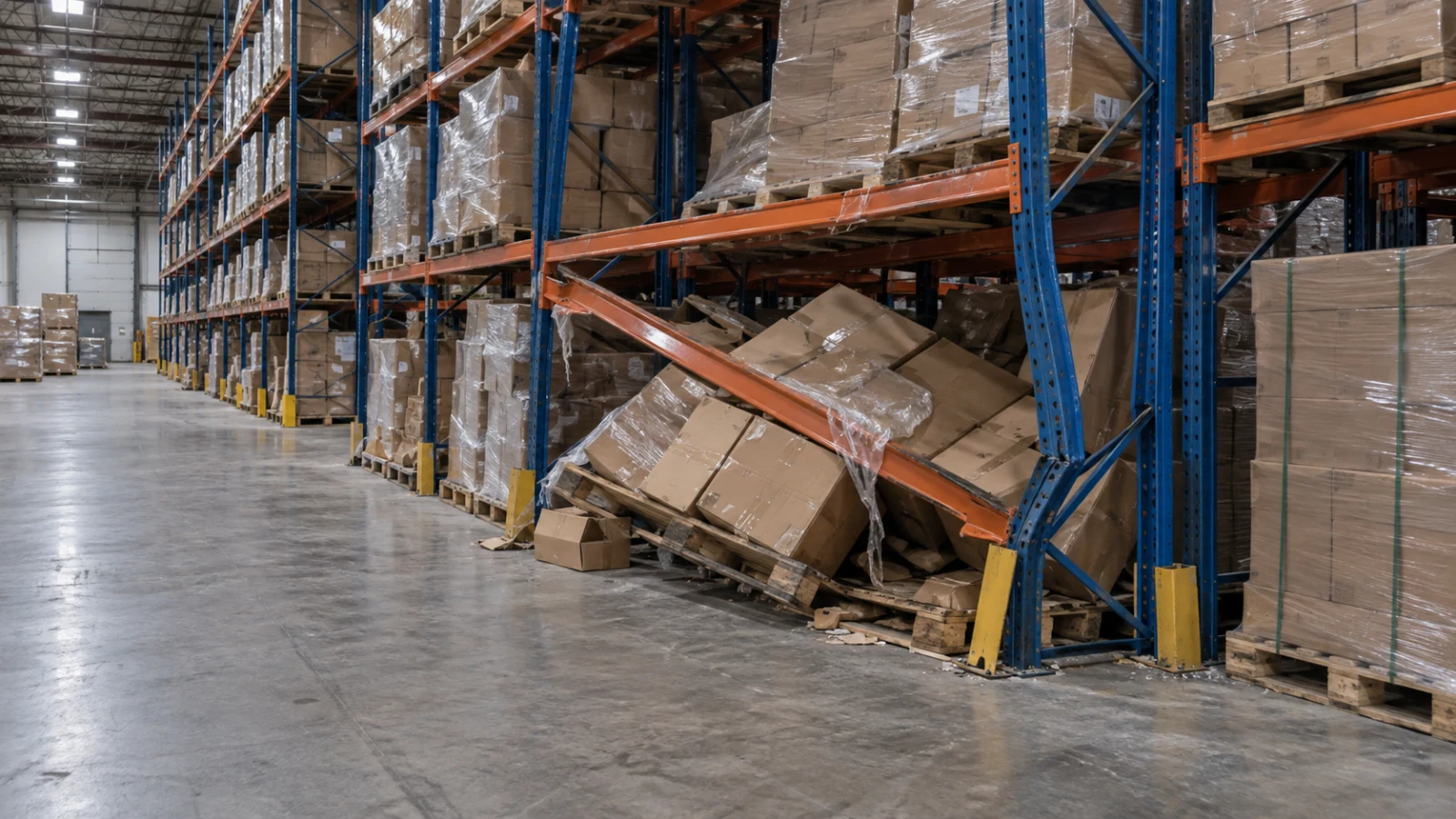
Pallet racking is what makes efficient warehouse storage possible, but when it fails, the results can be costly and dangerous for everyone on the property. Most rack failures aren’t random. They trace back to a small number of preventable causes: overloading, poor maintenance, improper installation, and accidental collisions among them.
Understanding what actually causes pallet rack failure is the first step toward preventing it. Here are the eight most common culprits.
1. Overloading Racks
Every racking system has a rated weight limit, and it’s tempting to assume a few hundred extra pounds won’t make a difference. It does. Exceeding rated capacity compromises the structural integrity of the entire system, not just the section that’s overloaded, and it’s one of the fastest paths to a serious failure. Following posted weight limits on every load isn’t optional. It’s the baseline for safe operation. See our guide on signs your pallet racking is overloaded for the warning signs to watch for.
2. Equipment Collisions
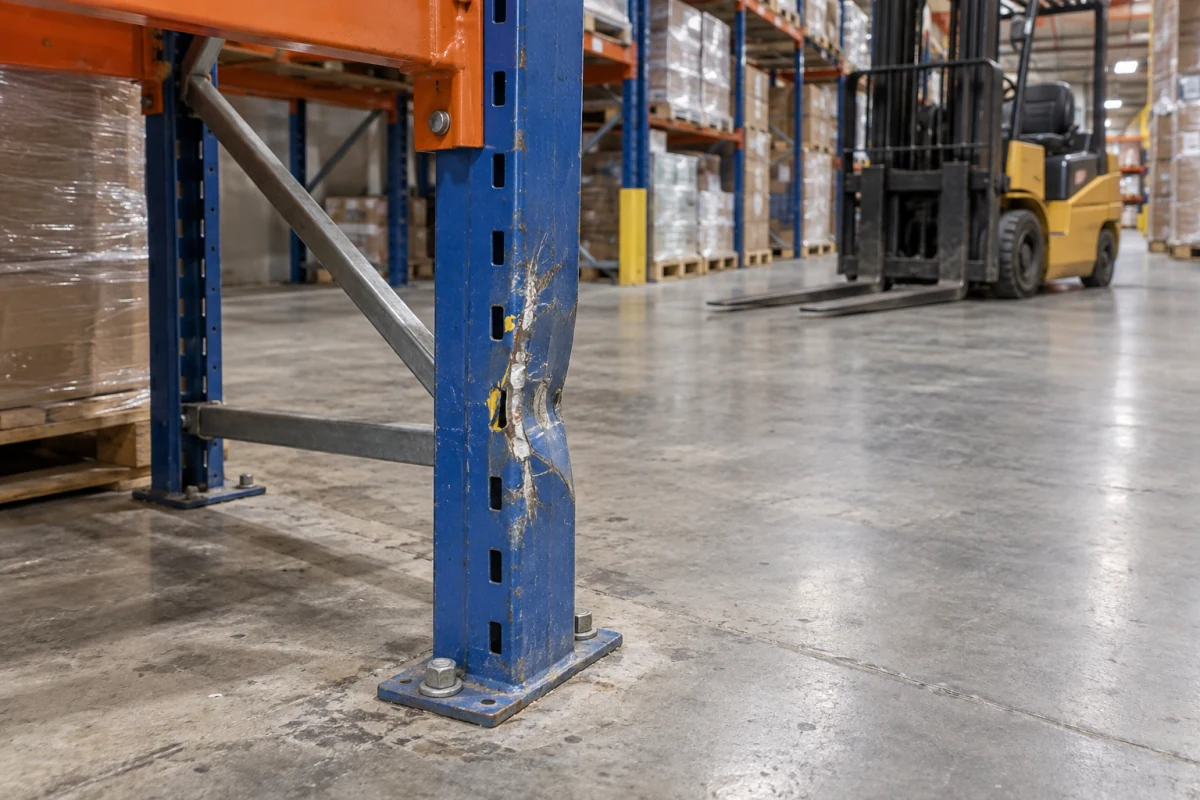
An untrained or careless forklift driver is one of the biggest risks to a racking system. Even a minor collision can compromise structural integrity, and repeated impacts over time compound the damage until failure becomes a matter of when, not if. Investing in trained, experienced forklift operators protects your racking as much as it protects your people.
3. Environmental Factors
Warehouse conditions affect racking more than most people expect. High humidity and exposure to corrosive chemicals gradually weaken steel, especially at weld points and connections. If your facility runs humid or handles abrasive materials, factor that into your inspection schedule and material selection.
4. Neglect
Regular maintenance and inspection are what catch minor damage before it becomes a major failure. Skipping inspections doesn’t make problems disappear. It just means they go unnoticed until they’ve grown into something expensive, or dangerous. Our guide on the importance of regular pallet rack inspections covers how to build an inspection program that actually catches these issues early.
5. Improper Installation
Pallet racking has to be installed according to the manufacturer’s specifications. Skipping steps, using an inexperienced crew, or improvising the assembly process all increase the risk that a system won’t perform to its rated capacity once it’s loaded. This is one of the most common and most preventable causes of failure, and it’s entirely a function of who handles the pallet racking installation.
6. Improperly Secured Loads
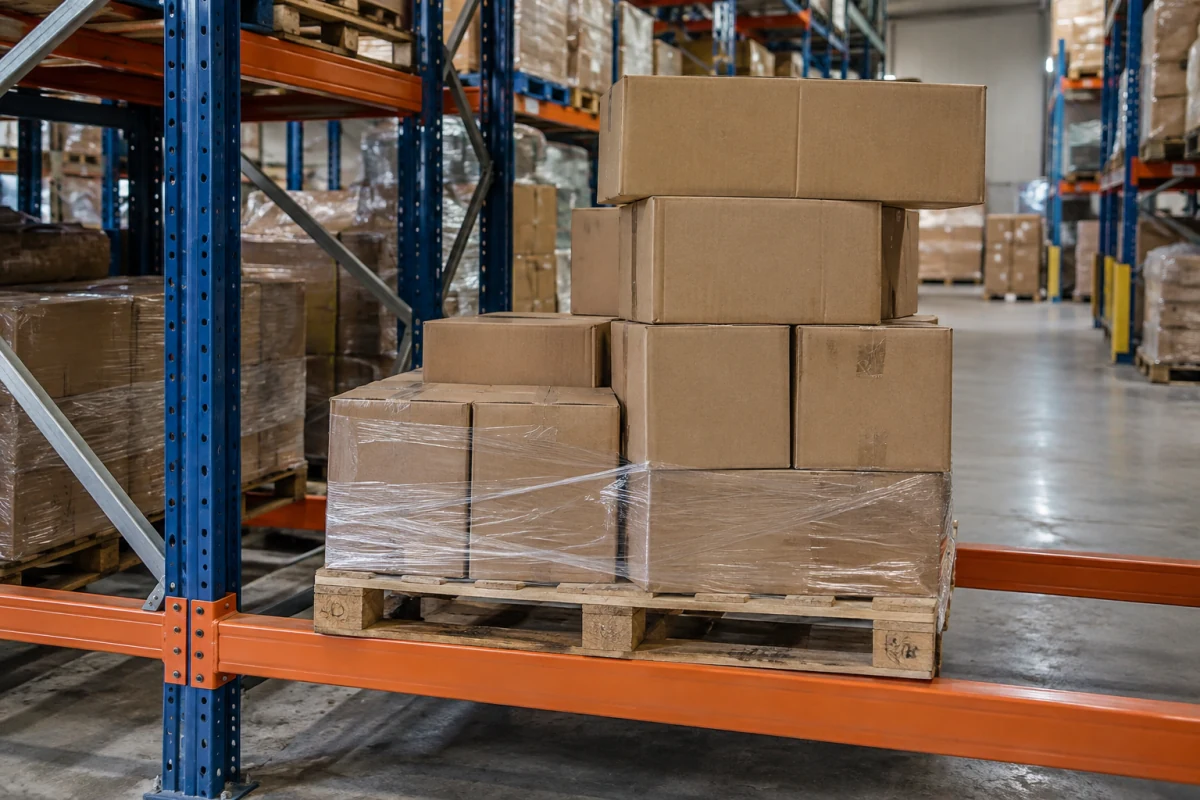
Loads need to be evenly distributed and properly wrapped or strapped before they go on the rack. An unsecured or unevenly loaded pallet creates uneven weight distribution across the racking, which stresses components in ways they weren’t designed to handle and accelerates wear over time.
7. Mixing Materials Between Manufacturers
Components from different racking manufacturers can sometimes physically fit together, but that doesn’t mean they’re rated to work together. Mixing brands compromises the engineered tolerances of the system and increases the risk of failure. Sticking with a single manufacturer’s components keeps your racking performing the way it was designed to.
8. Floor Settling or Damage
The condition of your warehouse floor matters as much as the condition of the racking itself. Uneven or cracked flooring can cause rack misalignment and put uneven stress on uprights. Addressing floor damage before installing new racking, and repairing new cracks as soon as they appear, protects the racking sitting on top of it.
Preventing Pallet Rack Failure
Most of the causes above have one thing in common: they’re preventable with the right knowledge, training, and maintenance schedule. Regular inspections, trained equipment operators, proper installation, and respecting weight limits go a long way toward keeping your racking, and everyone working around it, safe.
Rack Safety You Can Count On
Rocky Mountain Warehouse Solutions provides OSHA-compliant safety inspections, repair services, and ANSI/RMI certified installation for warehouses across the Mountain West. Whether you need a routine inspection or a full system installed correctly the first time, our team designs and builds racking that holds up under real-world conditions.
Get a free warehouse layout consultation or contact our team to schedule a safety inspection or talk through a racking issue you’re seeing.
Related reading: OSHA Compliance: Essential Safety Standards for Warehouses, Signs Your Pallet Racking Is Overloaded, and The Importance of Regular Pallet Rack Inspections
Frequently Asked Questions
What is the most common cause of pallet rack failure? Overloading is one of the most common causes, along with forklift collisions and improper installation. All three compromise structural integrity in ways that often aren’t visible until the rack is under load.
How can I tell if a pallet rack is at risk of failing? Warning signs include bent or twisted uprights and beams, visible rust or corrosion, cracked welds, and racking that sways or warps under a normal load. Any of these warrants an inspection before the rack is loaded again.
How often should pallet racks be inspected to prevent failure? Most industry standards recommend a formal inspection at least once a year, with regular visual checks in between, especially after any forklift impact or in high-traffic areas.
Can mixing pallet racking brands cause failure? Yes. Components from different manufacturers may fit together physically but aren’t engineered or rated to work as a system together, which can compromise structural integrity even if the racking looks fine on the surface.