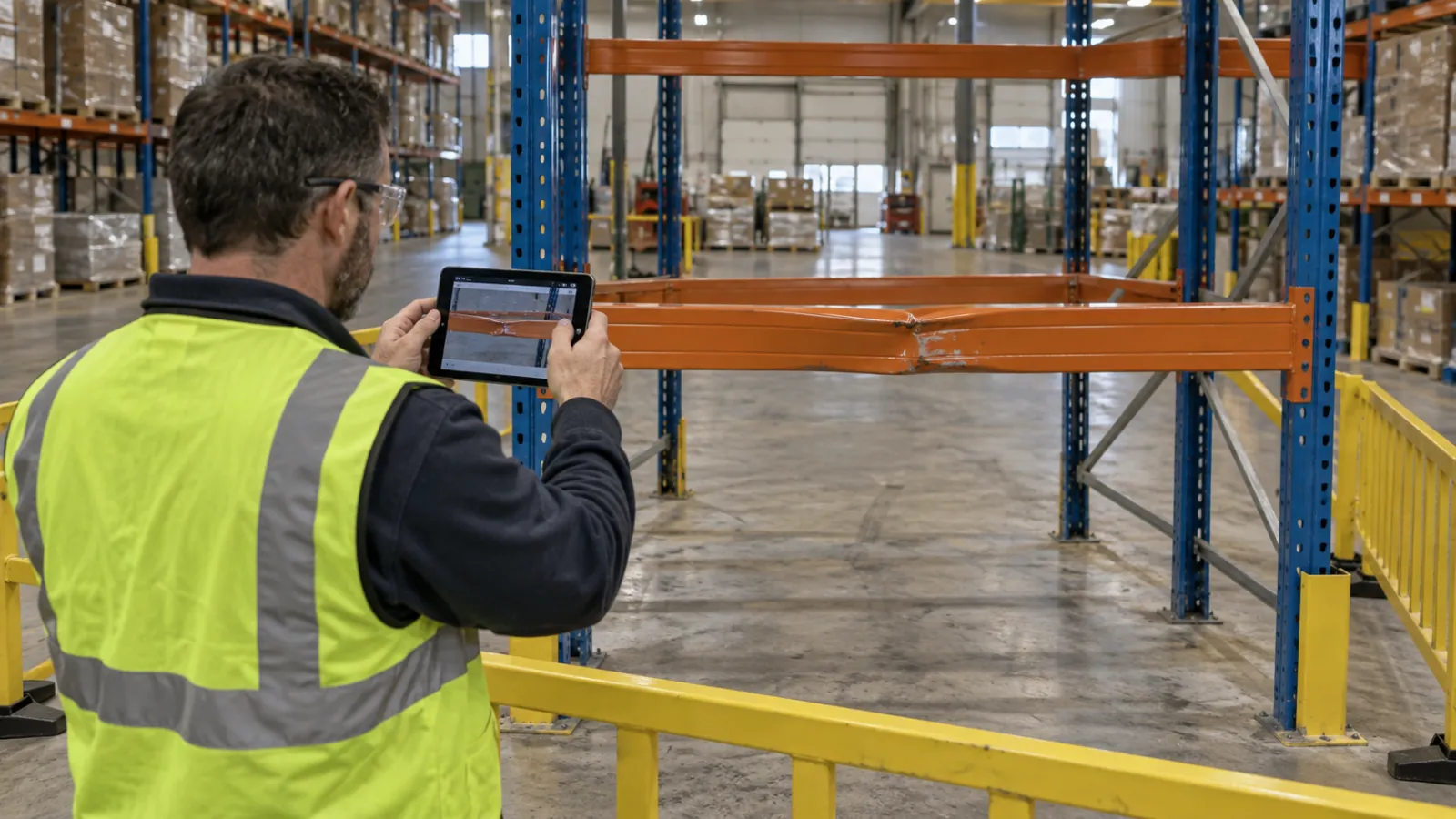
Regular warehouse inspections turn up all kinds of issues, lighting problems, fire hazards, and one of the most common: pallet rack damage. Some of it is a quick fix. Some of it is a genuine safety risk if it’s left alone. Either way, knowing exactly what to do the moment you spot it protects your people, your inventory, and your business.
Why Addressing Pallet Rack Damage Matters
Keeping your facility safe isn’t optional. Failing to address rack damage and other hazards can lead to real problems with OSHA, including fines, citations, and potential lawsuits if an incident occurs.
The risk goes beyond compliance, too. Your racking is what keeps your inventory secure. Ignore damage long enough, and you risk a system failure that results in lost goods and real financial loss on top of the safety issue. Regular rack inspections let you catch damage early, track how it changes over time, and take action before a small problem becomes a big one.
Common Signs of Pallet Rack Damage
Some damage is obvious. Some starts small enough to be easy to write off, which is exactly why it’s worth knowing what to look for:
- Bent braces, beams, or uprights
- Rust development
- Misaligned or overloaded racks
- Cracks in welds or joints
- Damaged footplates
- Loose baseplates
- Tilting or misaligned beams
- Missing hardware
If you notice any of these, address it as soon as possible. Time matters here. Delaying repairs puts employees and anyone else on the property at unnecessary risk. If the damage looks more like strain than impact, our guide on signs your pallet racking is overloaded can help you tell the difference, and it should be evaluated before the rack is loaded again.
Step-by-Step: How to Address Pallet Rack Damage
1. Discontinue Use of the Rack
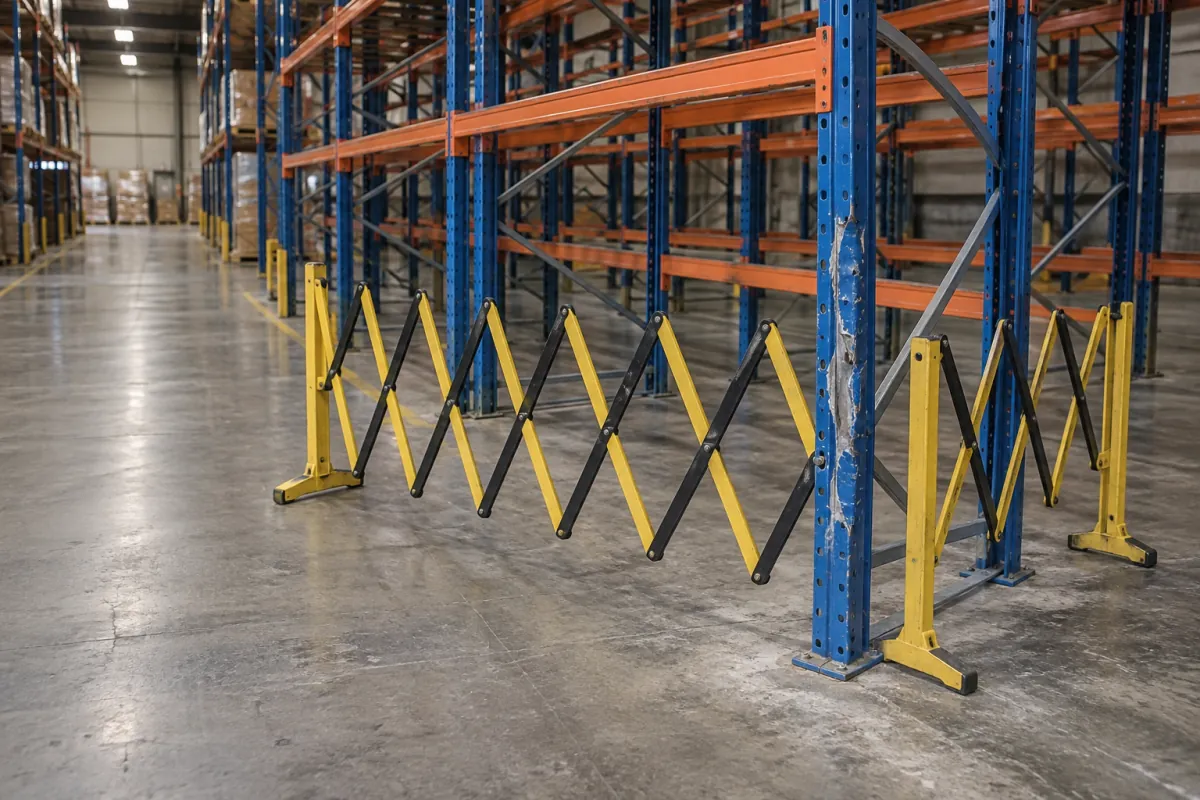
The moment you spot damage, take the affected bay out of service. Even damage that doesn’t look severe can compromise structural integrity. Cordon off the area, and if it can be done safely, remove inventory from the damaged section before doing anything else.
2. Evaluate the Damage
Next, assess the type and severity of the damage. This determines your next move: whether the rack can be repaired, or whether replacement is the safer, more cost-effective path forward. Our guide on repair or replace a damaged pallet rack walks through how to make that call.
3. Make Necessary Repairs
If the damage is repairable, schedule the work with a trusted rack repair professional, such as our rack repair service. Most in-house teams don’t have the training or equipment to make structural repairs safely, and a botched repair can be more dangerous than the original damage.
4. Install Replacements Where Needed
Not all damage can be repaired, and knowing when to stop trying is just as important as knowing how to fix what can be saved. If the damage is too extensive, work with your racking provider to source an appropriate replacement, whether that’s new racking or inspected used pallet racking, and get it installed promptly.
5. Address the Cause With Your Team
If the damage came from improper equipment use, a forklift impact, or unsafe loading practices, close the loop with your team. Review equipment use guidelines, confirm forklift certifications are current, and use the incident as a training opportunity rather than letting the same damage happen again next quarter.
6. File the Appropriate Reports
Once repairs or replacements are complete, document everything: what was found, what was repaired or replaced, and the results of any follow-up inspection. Good records protect you if a citation or insurance question ever comes up later.
7. Schedule a Follow-Up Inspection
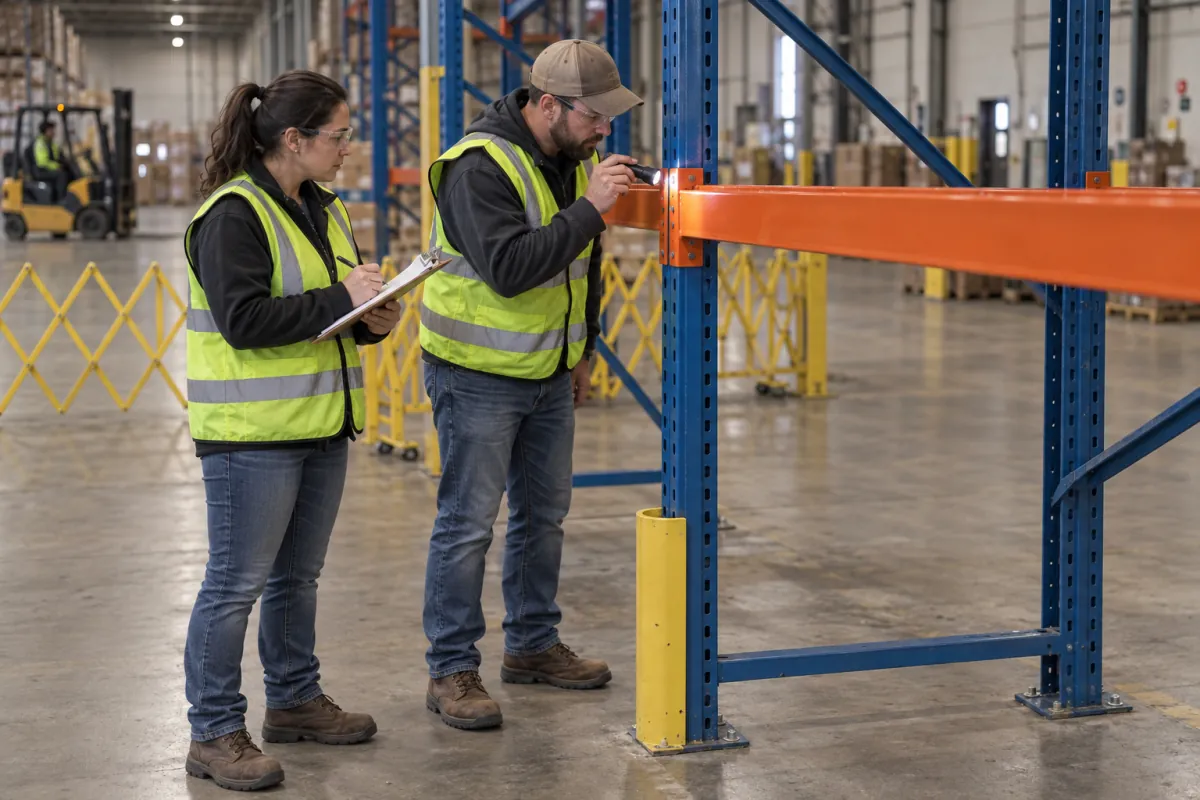
Confirm the repair or replacement actually solved the problem. If damage reappears even after a proper fix, that’s usually a sign the rack needs to be replaced rather than repaired again.
How Often Should You Inspect for Pallet Rack Damage?
Staying ahead of pallet rack damage comes down to a consistent inspection schedule:
- Weekly: A quick visual check for small cracks, loose or missing components, and any obvious bends, tilts, or misalignments.
- Monthly: A more thorough walkthrough by a trained supervisor, focused on structural integrity.
- Annually: A full professional inspection by a trained rack inspection company.
Any time there’s an accident involving a forklift or other equipment, schedule an inspection regardless of severity. Even a minor incident can cause structural damage that isn’t visible right away, and it’s always better to check than assume everything is fine. If you’re unsure whether damage warrants repair or replacement, a professional assessment through our rack safety inspection service can give you a documented answer, and our guide on signs it’s time to replace your pallet racking walks through the broader indicators.
Rack Repair and Replacement You Can Trust
Rocky Mountain Warehouse Solutions helps warehouses across the Mountain West address pallet rack damage quickly and correctly, whether that means a targeted repair, a full replacement, or a mix of new and used racking to fit your budget. Our ANSI/RMI certified team handles inspection, repair, and installation, so you’re not guessing at what’s actually safe to keep using.
Get a free warehouse layout consultation or contact our team today if you’ve spotted rack damage and need a straight answer on next steps.
Related reading: Should You Repair or Replace a Damaged Pallet Rack?, The Importance of Regular Pallet Rack Inspections, Common Pallet Racking Safety Violations in Utah Warehouses, and 8 Common Causes of Pallet Rack Failure
Frequently Asked Questions
Can damaged pallet racking be repaired, or does it always need to be replaced? It depends on the severity. Minor damage like a single bent component can often be repaired by a trained professional. Structural damage, such as cracked welds or significantly bent uprights, usually means replacement is the safer option.
What should I do immediately after noticing pallet rack damage? Take the affected bay out of service right away, remove inventory if it can be done safely, and cordon off the area until it’s been evaluated by someone qualified to assess structural damage.
How often should warehouses inspect for pallet rack damage? A good baseline is a weekly visual check by staff, a monthly walkthrough by a trained supervisor, and a full annual inspection by a professional rack inspection company, with additional inspections after any equipment-related incident.
Is used pallet racking a safe option for replacing damaged racks? Yes, as long as it’s properly inspected before purchase and installed by a qualified team. It can be a cost-effective way to replace damaged sections without paying full price for new racking.